
FOR IMMEDIATE RELEASE
THURSDAY MAY 28, 2026 — Tantramar, New Brunswick
The Protect the Chignecto Isthmus Coalition (PCIC) expresses its deep disappointment and outrage following today’s decision by the New Brunswick Energy and Utilities Board (EUB) to approve the Renewable Integration and Grid Security (RIGS) project — a 500 MW fossil fuel gas and diesel plant proposed for wetlands in the Tantramar region of the Chignecto Isthmus.
We are appalled.
This decision flies in the face of the evidence presented throughout the EUB hearings, which made clear that NB Power does not face a capacity crisis of the scale it has claimed — and certainly not one that justifies locking New Brunswickers into a 25-year, multi-billion dollar fossil fuel commitment that will raise their power bills, harm their health, and accelerate the very climate risks already threatening this region.
An Unjustifiable Cost to Ratepayers
New Brunswickers are already struggling under electricity rate increases that have exceeded 20 percent over two years. The RIGS project – an opaque, sole-sourced deal with a Missouri-based company, presented to the EUB in fewer than eight pages with no 25-year cost projection – will make that worse. Independent analysis has demonstrated that battery energy storage alternatives are available at comparable or lower cost, on the same timeline, with none of the fuel price exposure or emissions consequences. NB Power had options. It chose not to present them honestly.
The EUB had an opportunity today to demand better. It did not.
A Climate Decision with Regional Consequences
This plant will increase New Brunswick’s annual greenhouse gas emissions at a time when this province has committed to meaningful climate action. It will do so while allowing Nova Scotia to
reduce its emissions – because New Brunswick will bear the pollution burden of generating power it exports next door. That is not a regional energy strategy. It is a raw deal for New Brunswickers.
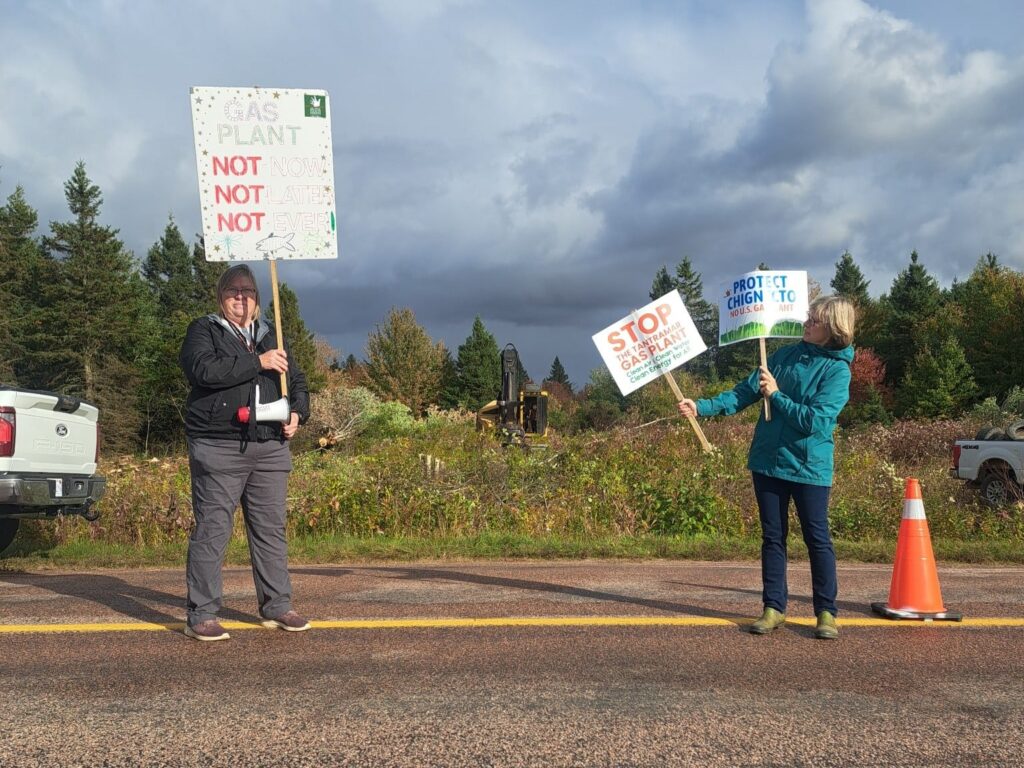
Built on Protected Wetlands – A Line That Should Not Be Crossed
The proposed site sits on wetlands that form part of the Chignecto Isthmus – one of the most ecologically significant and climate-vulnerable landscapes in Atlantic Canada. These greenfields serve as natural fire buffers, carbon sinks, and critical habitat for wildlife, migratory species, and the broader web of life that makes this isthmus irreplaceable. They cannot be un-paved. They cannot be restored once the concrete is poured. Future generations, who have no voice in this proceeding, will inherit what we build, or destroy, today.
A Public Health Crisis in the Making
The communities in and around the Tantramar region, and all those living downwind of this plant, in whichever direction the wind blows on any given day, face increased exposure to particulate matter, nitrogen oxides, and other pollutants associated with gas and diesel combustion. The science is unambiguous: this means more respiratory illness, earlier mortality, and greater strain on a health system already stretched thin. We did not hear adequate consideration of this human cost in today’s decision.
We Are Not Done
The Protect the Chignecto Isthmus Coalition is profoundly saddened by the EUB’s failure to exercise the full weight of its regulatory responsibility today. The regulator exists to protect the public interest, ratepayers, communities, and the environment, not to rubber-stamp inadequate proposals from a utility under commercial deadline pressure.
We are exploring all available legal options to ensure that this decision does not stand as the final word. We remain committed to protecting the Chignecto Isthmus, its people, its wildlife, and the generations of human beings not yet born who will live with the consequences of what is decided in rooms like this one.
The fight is not over.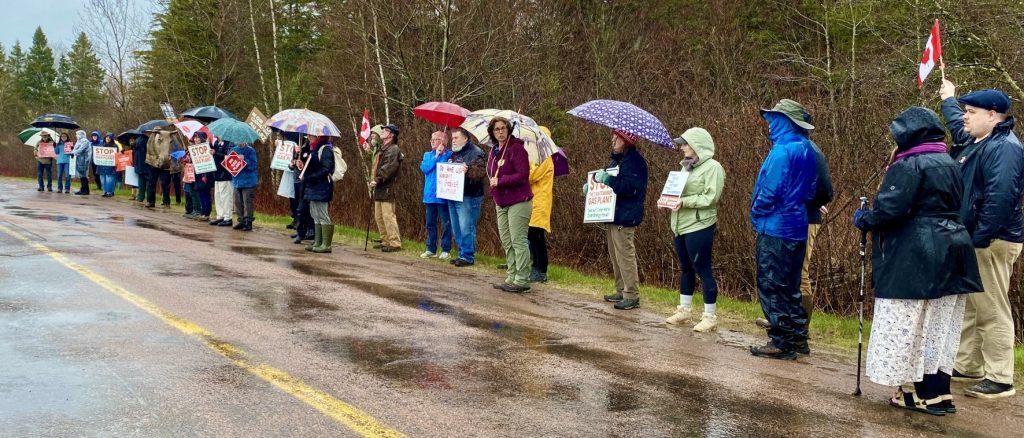
About the Protect the Chignecto Isthmus Coalition: PCIC is a coalition of community members, environmental advocates, municipal partners, and First Nations allies united in the protection of the Chignecto Isthmus from fossil fuel development incompatible with the ecological, climatic, and social values of this irreplaceable region.
Media Contact: Lisa J Griffin, griffin@caravanconsult.com