
Pipelines

NBASGA offers comments on Canada’s Major Project Reform Proposals

Canada’s push to fast‑track “Major Projects” has dismayed many communities that have spent years advocating for environmental protection, public health, and genuine climate action. The New Brunswick Anti‑Shale Gas Alliance (NBASGA) — a 13‑year‑old, province‑wide coalition spanning francophone, anglophone, and Indigenous groups — is one of them. While the federal government’s recent A Force of Nature strategy offered a welcome nod toward ecological stewardship, and the Prime Minister’s “elbows‑up” posture on U.S. trade pressures signaled a willingness to defend Canadian interests, those commitments are increasingly difficult to square with Ottawa’s new enthusiasm for accelerating large‑scale industrial development.
Read More…

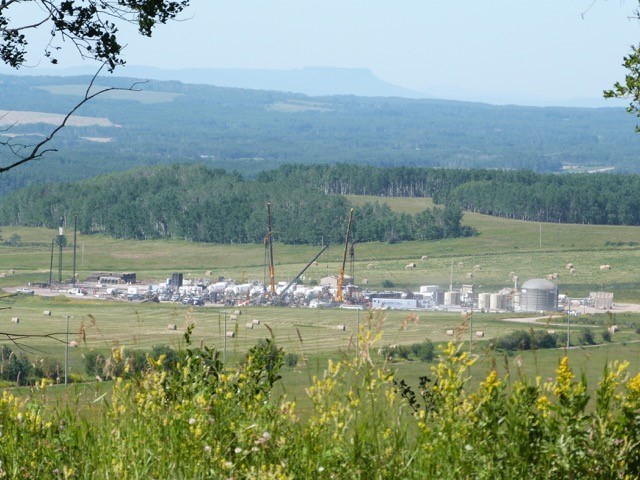
Fracked Farmland: “It’s a slow kill”

By Deborah Carr

The public seems largely unaware that the Blaine Higgs Progressive Conservatives (PC) want to restart fracking in New Brunswick. The PCs think we should help Europe transition from coal by selling them our ‘clean natural gas’. And most people do not realize that the Frederick Brook Shale Formation, one of the most highly desired gas-bearing regions, runs through south-eastern part of the province  from Memramcook and Hillsborough to Elgin and Sussex. Just a few kilometres from Moncton, Riverview and Dieppe.

Read More…

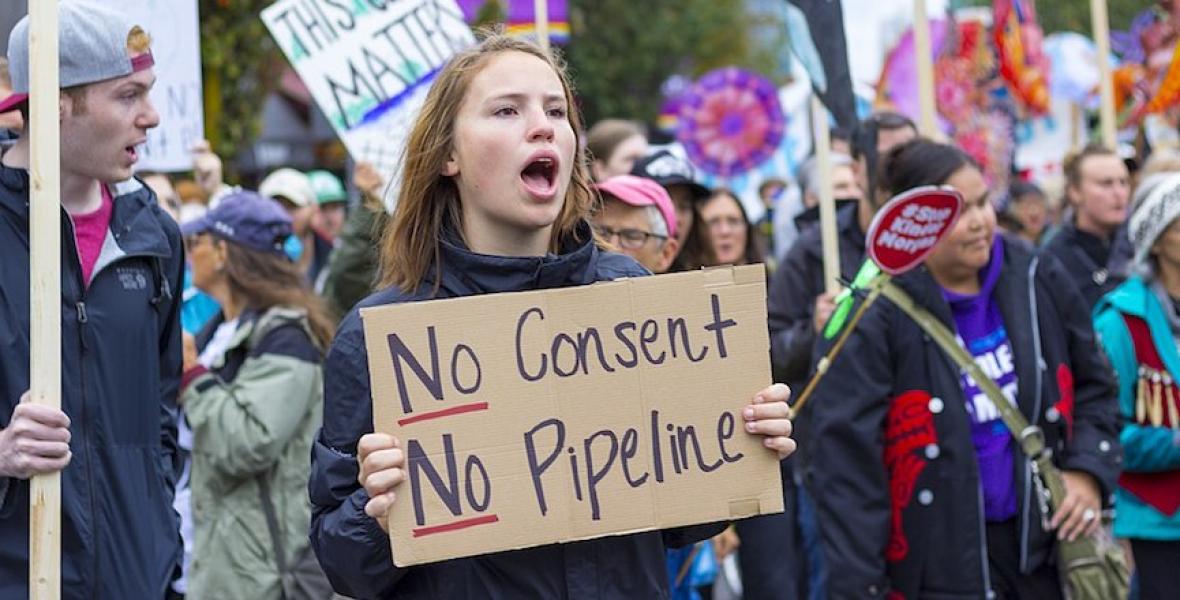
PM must stop push on Trans Mountain

Commentary by JIM EMBERGER – Telegraph Journal April 26, 2018

In Canada, there is consensus that climate change is a threat, and certainly many of us have experienced its first effects – bizarre weather, flooding, wildfires, heat waves, droughts and displacement in the case of the Inuit. The World Health Organization tells us that climate change is the greatest threat to public health in this century.

Our federal government tells us we must severely limit the rise in the earth’s temperature. The Trudeau government even persuaded the international climate gathering in Paris that its proposed warming limit of 2°C was too risky. Canada asked to limit warming to 1.5°C.

Read More…