
by Jim Emberger, New Brunswick Anti-Shale Gas Alliance
Published Telegraph Journal, Sep 24, 2026
Jim Emberger of the New Brunswick Anti-Shale Gas Alliance writes that Susan Holt “has resurrected New Brunswick’s most contentious issue ‘for review,’ offering her constituents no explanation for this betrayal beyond the generic statement that, ‘things have changed.'”
In the Legislature and in public, Premier Holt asserted that there are good reasons for the shale gas moratorium, and that shale gas is a last century fuel. Incomprehensibly, in a political moment calling for unity, she has resurrected New Brunswick’s most contentious issue ‘for review,’ offering her constituents no explanation for this betrayal beyond the generic statement that, “things have changed.”
Her meaningless observation that things change does not mean that a costly review is required to ascertain that the conditions for lifting the moratorium haven’t been met. Changes in the last ten years have strengthened the case for the moratorium, and can be tracked through publicly available information that the government must know.
A primary moratorium concern was, and remains, threats to water. A large majority of New Brunswickers depend on water wells. In 2008, the average shale gas well consumed 3,000 cubic meters of clean water for fracking. Industry numbers as of 2024 saw this figure increase to nearly 24,000 cubic metres. This huge change for the worse is a growing concern in areas experiencing drought.
Increased water use naturally results in increased volumes of fracking wastewater returning to the surface – now contaminated with fracking chemicals and naturally occurring substances pulled from the earth. Hundreds of these chemicals are known to be toxic, carcinogenic and often radioactive. Hundreds more remain untested for any health effects. Dangerously contaminated for humans, and prohibitively expensive to clean, wastewater is simply injected into pressurized wells.
This disposal process was the industry’s ‘best practice’ in 2015, and continues as such today. What has changed is that we know its problems. Though designed to simply hide the pollution forever, the passage of time has revealed that the wastewater does not always stay where it was injected and can migrate unpredictably. We also learned that these pressurized wells cause earthquakes of increasing frequency and size (fracking can too). Transporting wastewater to injection sites risks spills.
The health effects of exposure to this toxic fracking soup loomed large in moratorium discussions. At the time, there were many anecdotal reports of harm associated with living near gas wells, but only a few studies – which take time.
The last ten years have seen the completion of dozens of long-term, peer-reviewed studies – validating the early reports and identifying an expanded number and variety of grave illnesses associated with shale gas extraction.
Virtually every public health and medical institution in the province has officially and publicly informed the government of this new knowledge.
Pregnant mothers, children and the elderly are especially affected, and the harms extend far beyond gas well sites, with some air pollution travelling great distances.
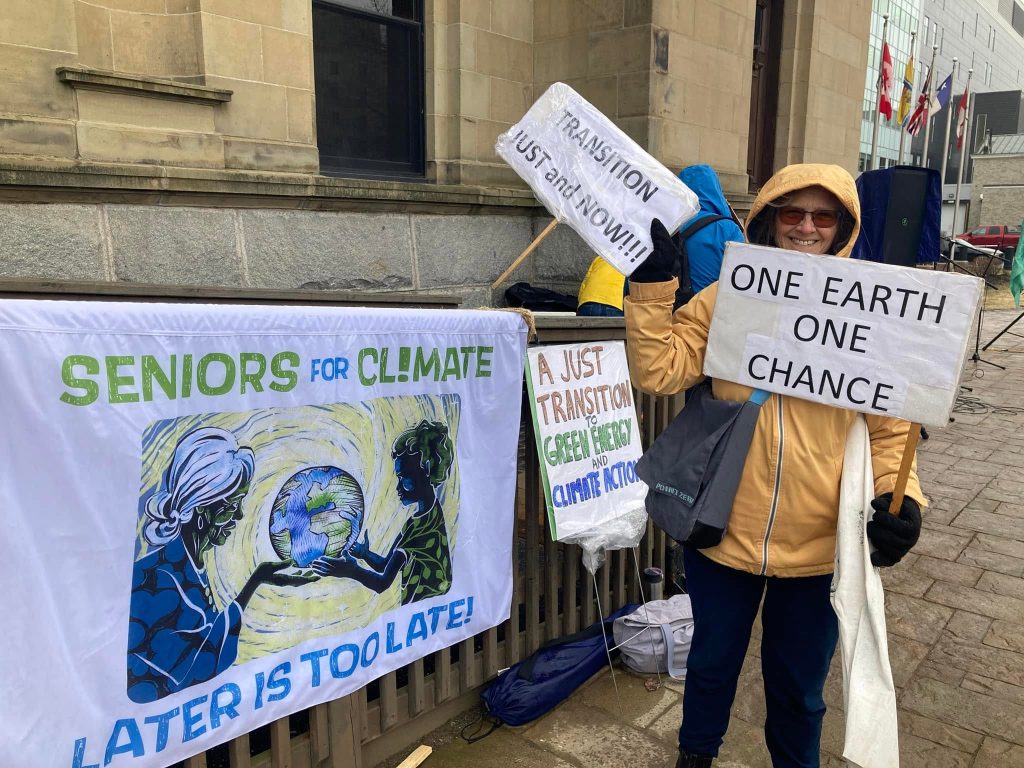 Gas extraction also pollutes the atmosphere with the greenhouse gases CO2 and methane – the primary gases driving man-made climate change. Prior to the moratorium, natural gas was billed as a ‘bridge’ fuel, because it produced less CO2 when burned than oil and coal. That idea was challenged theoretically at the time, because scientists knew that unburned natural gas (methane) leaking in the atmosphere is 86 times more potent than is CO2 in warming the planet over 20 years.
Subsequently, accurate new measurement technology revealed methane leaking from the entire gas infrastructure in much greater amounts than previously estimated.
Few outside the fossil fuel industry now view gas as a ‘bridge fuel,’ particularly now that available renewable energy is a proven, cheaper, climate friendly alternative.
In the 2015 Paris Climate Accords, nations pledged to reduce greenhouse gas emissions and limit climate warming to 1.5°C. The moratorium, passed that same year, was a perfect companion to that goal.
Now, the UN reports that those pledges have not been met and the 1.5°C limit will be exceeded. This makes maintaining the moratorium essential. We must now forego producing new greenhouse gases while working toward eventually removing them from the economy.
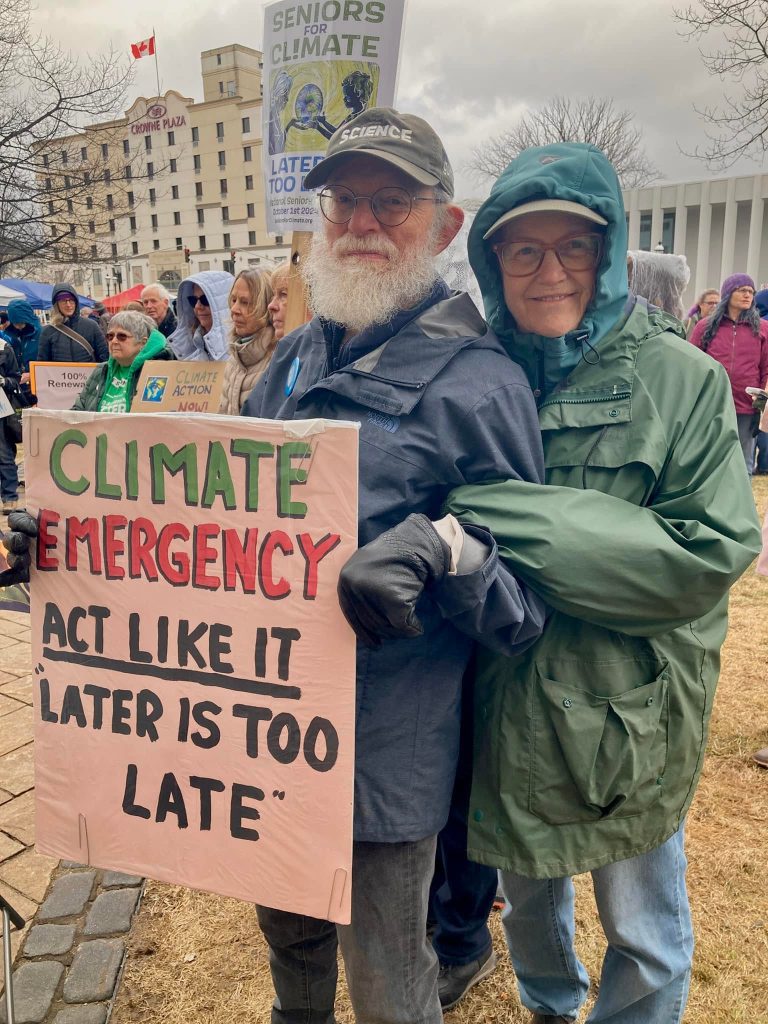 Atlantic Canada has suffered droughts, forest fires, floods, extreme storms and new insect-borne diseases, all associated with climate change. Only by chance have we avoided being among the legion of dead, injured and displaced peoples elsewhere, as this year shows “climate change” has become “climate emergency.” The World Health Organization has named climate change the number one threat to global health.
The International Court of Justice has responded with a unanimous decision that any nation that increases its greenhouse gas emissions, or doesn’t act to decrease them, is legally liable for damages.
Canada voted to adopt that decision in the UN General Assembly. Shortly afterwards both Canada and New Brunswick shamefully reported that they won’t achieve their climate goals.
With what moral standing can we face the world (and our children), and tell those millions who have suffered that we plan on making life a lot worse for them, just so we can balance our budget? Where are the borders of social acceptance?
The moratorium conditions concerning people, health, science, safety and environment obviously cannot be met. This should eliminate any reason to conduct a fiscal review.
Jim Emberger is spokesperson for the New Brunswick Anti-Shale Gas Alliance.