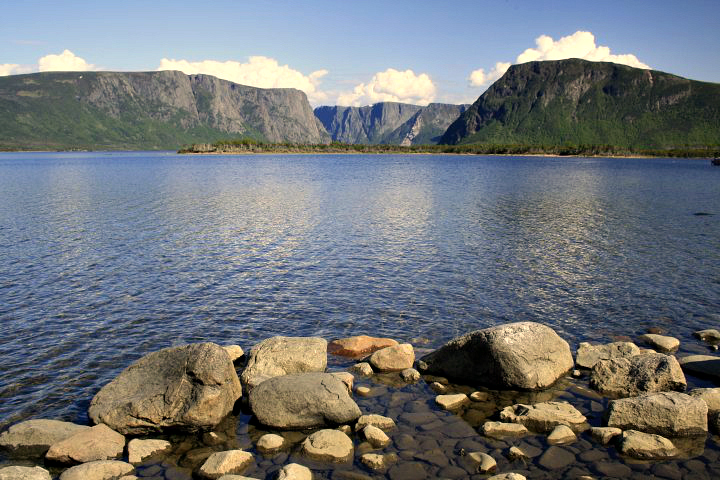
Like those of us here in New Brunswick, Newfoundlanders have serious concerns about the industry, and public opposition to fracking has been strong and wide-spread, in particular around the endangered west coast jewel of Gros Morne National Park.


Like those of us here in New Brunswick, Newfoundlanders have serious concerns about the industry, and public opposition to fracking has been strong and wide-spread, in particular around the endangered west coast jewel of Gros Morne National Park.

Recommends consultation with Chief Medical Health Officer
The New Brunswick Anti-Shale Gas Alliance (NBASGA) welcomes the government’s announcement of a commission to evaluate the impacts of hydraulic fracturing. A year may be sufficient time to allow the review of all the current science and medical research. However, it must be noted that such research has only begun in earnest over the last couple of years. It is accelerating rapidly, it is increasingly identifying new health threats, and it is raising new issues that will require years of further study before they can be resolved.

As with all stories, there is always an underside. The following three-part series by journalist and communications strategist/consultant, Dallas MacQuarrie, presents a very different viewpoint than you may have read in the newspapers about the events of October 17, 2013 when police stormed the protest camp set up outside the SWN compound in Rexton, and catapulted New Brunswick into the international spotlight.

MONCTON, NB (18 March 2015) – The supporters of the shale gas industry – the industry itself, the PC-Opposition energy and various editorialists – have lately been calling for the lifting of the moratorium. Their sole, well-worn and questionable economic argument for this demonstrates a lack of understanding of the two basic reasons for a moratorium in the first place.
The primary reason for a moratorium is concern for public health. Increasingly numerous peer-reviewed studies have now associated shale gas extraction with a host of serious health problems from cancer to congenital heart defects, which is cause enough for alarm. More importantly, each study points out how much more we need to know.

The Canadian Government’s anti-terrorism bill, C-51, and a recent intelligence report from the RCMP about the “anti-petroleum” movement in Canada come dangerously close to equating dissent with terrorism and opposition to economic policies as extremism.

by Donna McLellan
The New Brunswick government’s introduction of a moratorium on shale gas development, confirming its pre-election commitment, was a great relief to the thousands of NB residents who are opposed to the industry. People are relieved, but skeptical.
Those who are familiar with New Brunswick’s political and economic history know that the province has been, for many decades, a fierce supporter of the oil and gas industry… and that resource development – from forestry to oil and gas exploration – has never been questioned. Until now.
by Jim Emberger
While Premier Gallant develops the government’s moratorium on hydraulic fracturing, shale gas supporters continue to voice their same one-theme message that we are losing out on an economic miracle. Recent events provide a good lens through which to examine that claim. As our Premiere announced our moratorium, the leaders of both Quebec and New York announced similar decisions.

Quick Link: Version française
The New Brunswick Anti-Shale Gas Alliance (NBASGA) applauds Premier Brian Gallant for following through on his election promise to impose a moratorium on the controversial practice of hydraulic fracturing to extract natural gas from shale.

We are told that fracking creates a much smaller environmental footprint than conventional extraction methods. That by drilling multiple wells on each pad, we are actually reducing the impact on our landscape. Take this short tour, and then tell us…what do you think?

Public policy must reflect care for citizens’ well-being